How Is Instant Coffee Made?
Have you ever wondered how that quick cup of instant coffee is made?
Have you ever wondered how that quick cup of instant coffee is made? Instant coffee has a fascinating history, evolving from simple beginnings to a global favorite. Understanding its production process can enhance your appreciation for this convenient beverage.
In this post, we’ll explore what instant coffee is, its history, and the crucial role of powder mixing machines in its production.
The Ingredients of Instant Coffee
Coffee Beans
Instant coffee primarily uses two types of coffee beans: Arabica and Robusta.
● Arabica Beans:
○ Known for their smooth, mild flavor.
○ Often considered higher quality and more aromatic.
○ They thrive in higher altitudes and require specific growing conditions.
● Robusta Beans:
○ Have a stronger, more bitter taste.
○ Generally cheaper and easier to grow.
○ They contain more caffeine, which can enhance the coffee's body.
The quality of these beans significantly impacts the final flavor of instant coffee. Higher-quality beans yield a richer, more complex taste. In contrast, lower-quality beans may result in a flat or unpleasant flavor.
Additional Ingredients
Instant coffee isn’t just about the beans. Various additives enhance its taste and appeal. Common ingredients include:
● Sugar: Adds sweetness to balance the bitterness.
● Creamer: Provides a creamy texture and richness.
● Flavor Enhancers: Such as vanilla or hazelnut, offer unique tastes.
Ingredient Compatibility
It’s crucial that these ingredients work well together. For instance, the right balance of sugar and creamer can elevate the coffee experience. If they don’t blend well, the coffee might taste off or unbalanced.
Here’s a quick overview of how these ingredients interact:
Ingredient
Purpose
Compatibility
Sugar
Sweetness
Works with all
Creamer
Creaminess
Best with sugar
Flavor Enhancers
Unique taste
Varies by type
In production, ensuring compatibility helps create a smooth, enjoyable cup of instant coffee. The use of a Powder Mixing Machine plays a vital role here, as it ensures that all components blend evenly, enhancing the overall quality of the final product.
The Production Process of Instant Coffee
Step 1: Coffee Extraction
The first step in making instant coffee is extraction. This process involves pulling flavors and oils from the coffee beans.
Two main methods are used for extraction:
● Water Extraction:
This method uses hot water to dissolve the soluble compounds in coffee. The result is a concentrated coffee solution.
● Freeze Extraction:
Here, coffee is brewed at low temperatures. This method preserves more of the coffee's natural flavors and aromas.Both methods aim to extract the best flavors from the beans, ensuring a rich coffee base.
Step 2: Concentration
After extraction, the coffee solution needs to be concentrated. This step reduces the volume of liquid while intensifying the flavor.
Common techniques include:
● Evaporation:
This involves heating the coffee extract to remove water. It's a straightforward method but can affect flavor.
● Vacuum Concentration:
This technique uses reduced pressure to lower the boiling point of water. It helps retain more of the coffee's original taste.Here's a quick comparison of concentration methods:
Method
Description
Flavor Retention
Evaporation
Heats extract to remove water
Moderate
Vacuum Concentration
Lowers boiling point to preserve flavors
High
Step 3: Drying Methods
The final step is drying the concentrated coffee. This transforms the liquid into a powder form.
There are two primary drying techniques:
● Spray Drying:
In this method, the concentrated coffee is sprayed into hot air. The water evaporates quickly, leaving fine coffee particles. This method is fast and efficient.
● Freeze Drying:
This process freezes the coffee extract and then removes water through sublimation. It preserves more flavor and aroma compared to spray drying.Here's how the drying methods impact coffee:
Drying Method
Flavor Preservation
Solubility
Spray Drying
Moderate
High
Freeze Drying
High
Moderate to High
Using a Powder Mixing Machine during these processes ensures that any additional ingredients blend well, maintaining quality and consistency.
The Role of Powder Mixing Machines in Instant Coffee Production
What is a Powder Mixing Machine?
A Powder Mixing Machine is essential in the food industry, especially for instant coffee production.
These machines are designed to blend various dry ingredients into a uniform mixture. They ensure that every cup of coffee has the same flavor profile, providing consistency in taste and quality.
In the instant coffee production line, they play a crucial role. Mixing ingredients like coffee powder, sugar, and creamers evenly is vital for achieving the desired flavor and texture.
Types of Powder Mixing Machines
Different types of powder mixing machines are used in the industry, each with unique features and advantages.
Horizontal Ribbon Mixers
● Design and Operation:
These mixers have a horizontal cylindrical shape, featuring ribbons that rotate to blend ingredients efficiently.
● Benefits in Mixing Efficiency:
They provide excellent mixing speed and uniformity, making them ideal for large batches of instant coffee.
Dual-Screw Structure
● Advantages for Ingredient Blending:
This design enhances the mixing process by allowing for better control over the blending of different ingredients. It minimizes clumping and ensures a more consistent final product.
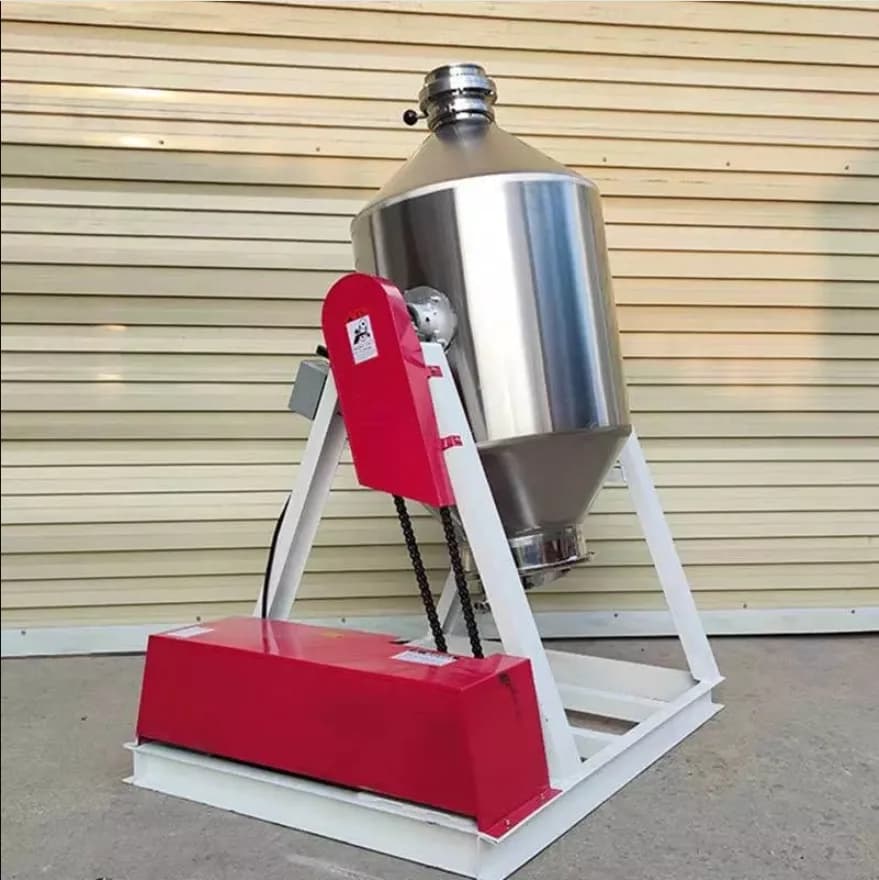
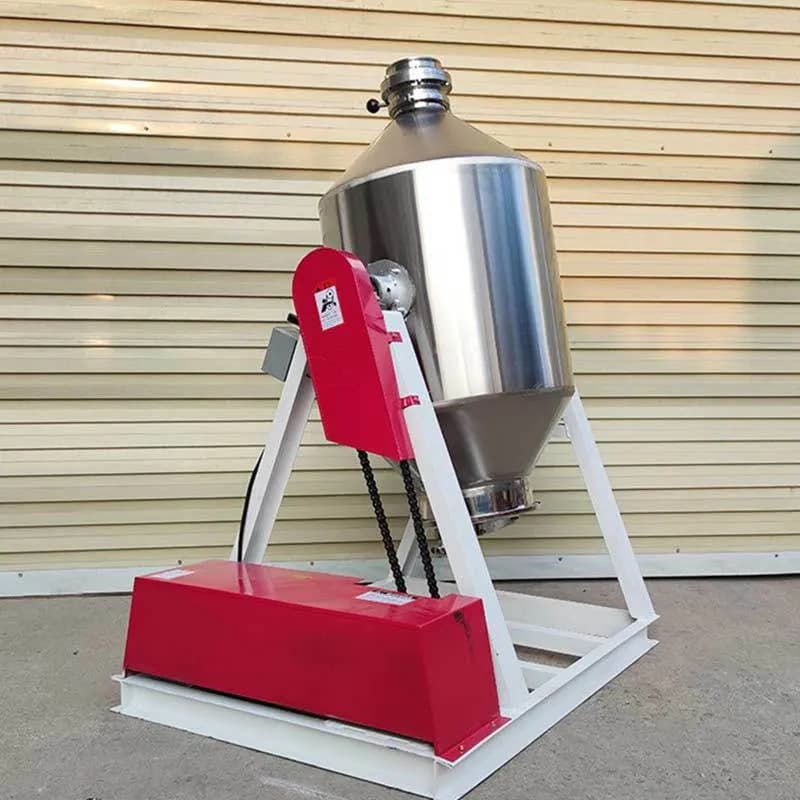
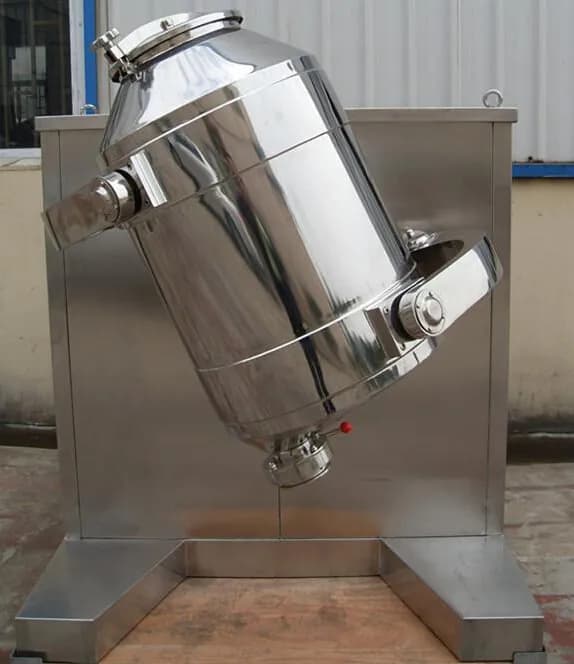
Three-Dimensional Powder Mixing Machines
● How They Work:
These machines move ingredients in three dimensions, creating a more thorough mixing action.
● Advantages:
They are particularly effective at achieving uniformity, especially when dealing with various particle sizes. This ensures that all components are evenly distributed.
V-Type Powder Mixing Machines
● Unique Design Features:
Shaped like a "V," these mixers have a gentle mixing action that minimizes damage to delicate flavor compounds.
● Mixing Action:
The design allows for effective blending without compromising the integrity of the ingredients, preserving the coffee's rich flavors.
Paddle Mixers
● Operation Principles:
Paddle mixers use flat blades to lift and fold ingredients together, ensuring thorough mixing.
● Batch vs. Continuous Mixing:
They can operate in both batch and continuous modes, making them versatile for different production needs.
Hygiene Features:
Hygiene is crucial in food production. Paddle mixers often include features like easy cleaning and maintenance, ensuring safety and quality in the final product.
Summary Table of Mixing Machines
Machine Type
Key Features
Mixing Efficiency
Horizontal Ribbon Mixers
Fast, uniform mixing
High
Dual-Screw Structure
Controlled blending
Very High
Three-Dimensional Mixers
3D movement for thorough mixing
Excellent for uneven sizes
V-Type Powder Mixers
Gentle action preserving flavors
High
Paddle Mixers
Versatile, hygienic
Efficient for all types
Using a Powder Mixing Machine effectively ensures that the instant coffee production process yields a consistent and high-quality product. Each type of machine has its strengths, contributing to the overall efficiency and quality of instant coffee production.
Key Features of Powder Mixing Machines
Hygiene and Safety Standards
Hygiene is critical in food production, especially when it comes to instant coffee. Maintaining cleanliness ensures the safety of the final product.
● Importance of Hygiene:
Contamination can lead to serious health risks. Therefore, strict hygiene standards are essential throughout the production process.
● Materials Used in Construction:
Most powder mixing machines are made from food-grade stainless steel. This material is not only durable but also easy to clean, preventing bacterial growth.
● Clean-in-Place (CIP) and Wash-in-Place (WIP) Capabilities:
These features allow for efficient cleaning without disassembling the equipment. CIP systems circulate cleaning solutions through the machine, while WIP systems enable easy manual cleaning.
Mixing Efficiency and Homogeneity
Modern powder mixing machines are designed to ensure uniformity in the final product.
● How Modern Mixers Ensure Uniformity:
They utilize advanced mixing technologies that guarantee all ingredients are blended evenly. This is crucial for maintaining consistent flavor in instant coffee.
● Role of Advanced Control Systems:
These systems monitor and adjust mixing parameters in real-time, optimizing the blending process. This level of control enhances the overall quality of the product.
● High-Speed Rotation and Agitation:
Many mixers feature high-speed rotation, which increases agitation. This effective blending technique ensures that ingredients are thoroughly mixed, resulting in a homogeneous powder.
Energy Efficiency in Mixing
Energy efficiency is becoming increasingly important in production.
● Technologies That Enhance Energy Savings:
Many modern mixers incorporate energy-saving technologies, such as variable frequency drives. These allow for better control of motor speed, reducing energy consumption.
● Benefits of Energy-Efficient Designs for Producers:
Energy-efficient machines lower operating costs and reduce environmental impact. Producers benefit from savings on energy bills while contributing to sustainability.
Summary of Key Features
Feature
Description
Benefits
Hygiene Standards
Strict cleanliness protocols
Ensures product safety
Food-Grade Materials
Use of stainless steel
Easy to clean, durable
CIP and WIP Capabilities
Efficient cleaning methods
Saves time and labor
Advanced Control Systems
Real-time monitoring and adjustments
Optimizes mixing processes
High-Speed Rotation
Increases agitation for effective blending
Ensures uniformity
Energy-Saving Technologies
Variable frequency drives and efficient designs
Reduces costs and environmental impact
These key features of Powder Mixing Machines highlight their importance in producing high-quality instant coffee. They ensure safety, efficiency, and consistency throughout the production process.
Competitive Landscape and Emerging Technologies
Overview of Competitors
The market for powder mixing machines is competitive, featuring various options tailored to different needs.
● Comparison of Different Powder Mixing Machines:
Many brands offer machines with unique features. Some focus on high-speed mixing, while others prioritize gentle blending to preserve delicate flavors.
● Cost-Effectiveness and Performance:
When evaluating machines, cost-effectiveness is crucial. For instance, horizontal ribbon mixers are often more affordable but may not achieve the same uniformity as high-end models.
● Alternative Mixing Technologies:
Besides traditional mixers, there are alternative technologies like pneumatic mixing and high-speed mixers. Pneumatic systems use air pressure for blending, which can be faster and more efficient. High-speed mixers are designed for rapid processing, making them suitable for large-scale operations.
New Innovations in Powder Mixing
Emerging technologies are revolutionizing the way we think about powder mixing.
● Introduction to Pneumatic Mixing Systems:
These systems utilize compressed air to mix powders. They offer a unique approach by reducing mechanical stress on ingredients, which can help preserve flavor and aroma.
● The Potential of Ultrasonic Mixing Technology:
Ultrasonic mixing uses high-frequency sound waves to agitate particles. This method can achieve excellent homogeneity and is particularly effective for difficult-to-mix substances.
● Advantages and Challenges of New Technologies:
While new technologies offer benefits like increased efficiency and better mixing quality, they also come with challenges. For instance, implementing ultrasonic mixing on a large scale can require significant investment and training.
Comparison Table of Mixing Technologies
Technology Type
Key Features
Pros
Cons
Traditional Powder Mixers
Mechanical mixing methods
Cost-effective, reliable
May not achieve perfect uniformity
Pneumatic Mixing Systems
Uses air pressure for blending
Fast, gentle on ingredients
Requires compressed air supply
High-Speed Mixers
Rapid rotation and agitation
Efficient for large batches
Higher energy consumption
Ultrasonic Mixing
Uses sound waves for agitation
Excellent homogeneity
High initial cost and complexity
These insights into the competitive landscape and emerging technologies in powder mixing highlight the dynamic nature of the industry. As producers seek to enhance efficiency and quality, innovations continue to shape the future of instant coffee production.
Conclusion
Understanding how instant coffee is made is essential for consumers.
Powder mixing machines play a critical role in ensuring product quality.
These machines guarantee uniformity and flavor consistency in the final product.
We encourage readers to explore various instant coffee brands and their unique production methods.
FAQ
Q: What is the difference between instant coffee and regular coffee?
A: Instant coffee is brewed and dehydrated, allowing for quick preparation, while regular coffee is brewed from ground beans.
Q: How does the quality of coffee beans affect instant coffee?
A: Higher quality beans lead to better flavor and aroma in instant coffee, ensuring a more enjoyable experience.
Q: Are there any health concerns with instant coffee?
A: Instant coffee generally has similar health effects as regular coffee, but excessive consumption may lead to caffeine-related issues.
Q: Can instant coffee be made at home?
A: Yes, instant coffee can be made at home by brewing coffee and dehydrating it, though it's more complex than purchasing pre-made options.